
Advanced Subway Construction Techniques (Limited Height Subways)
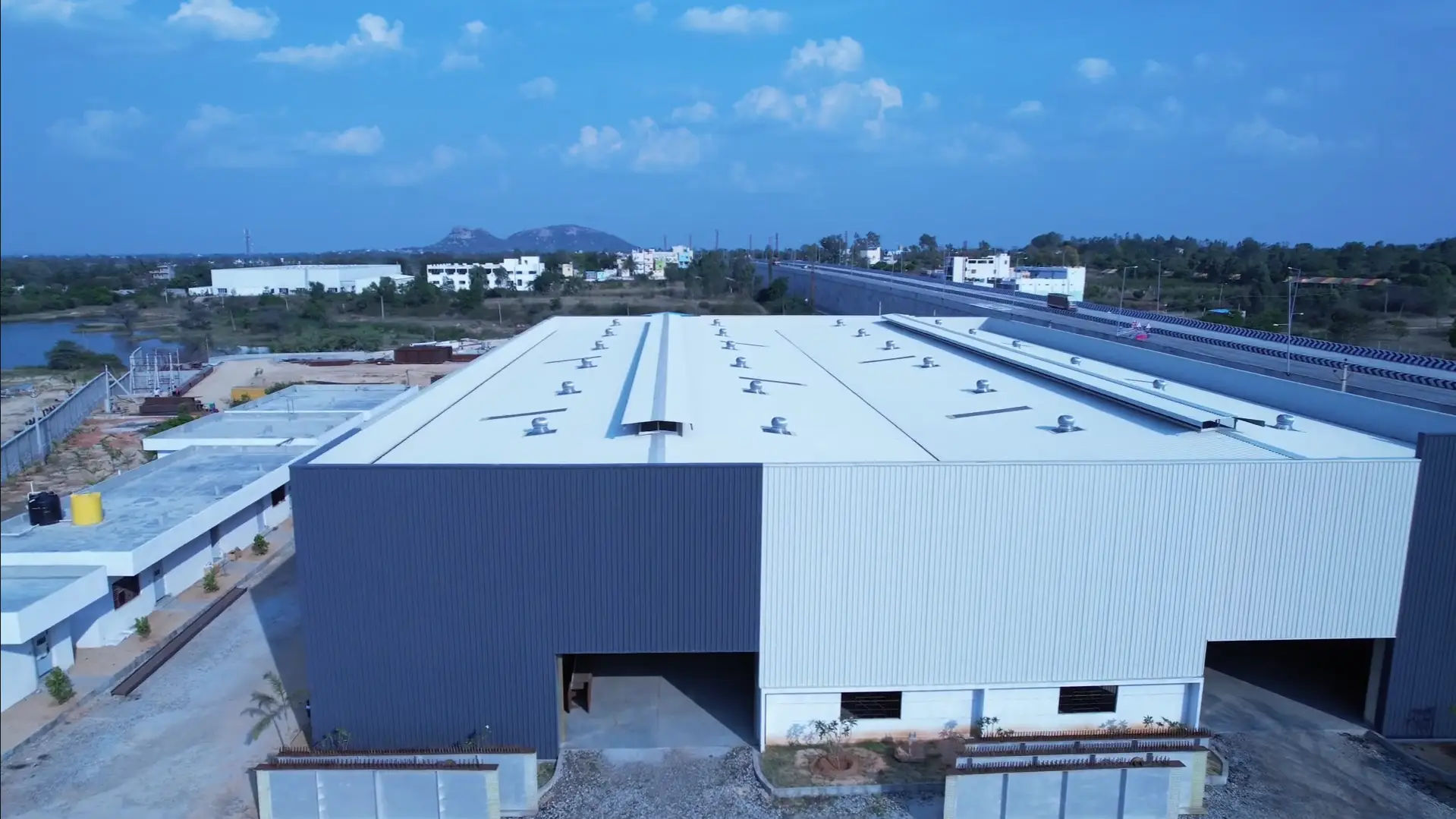
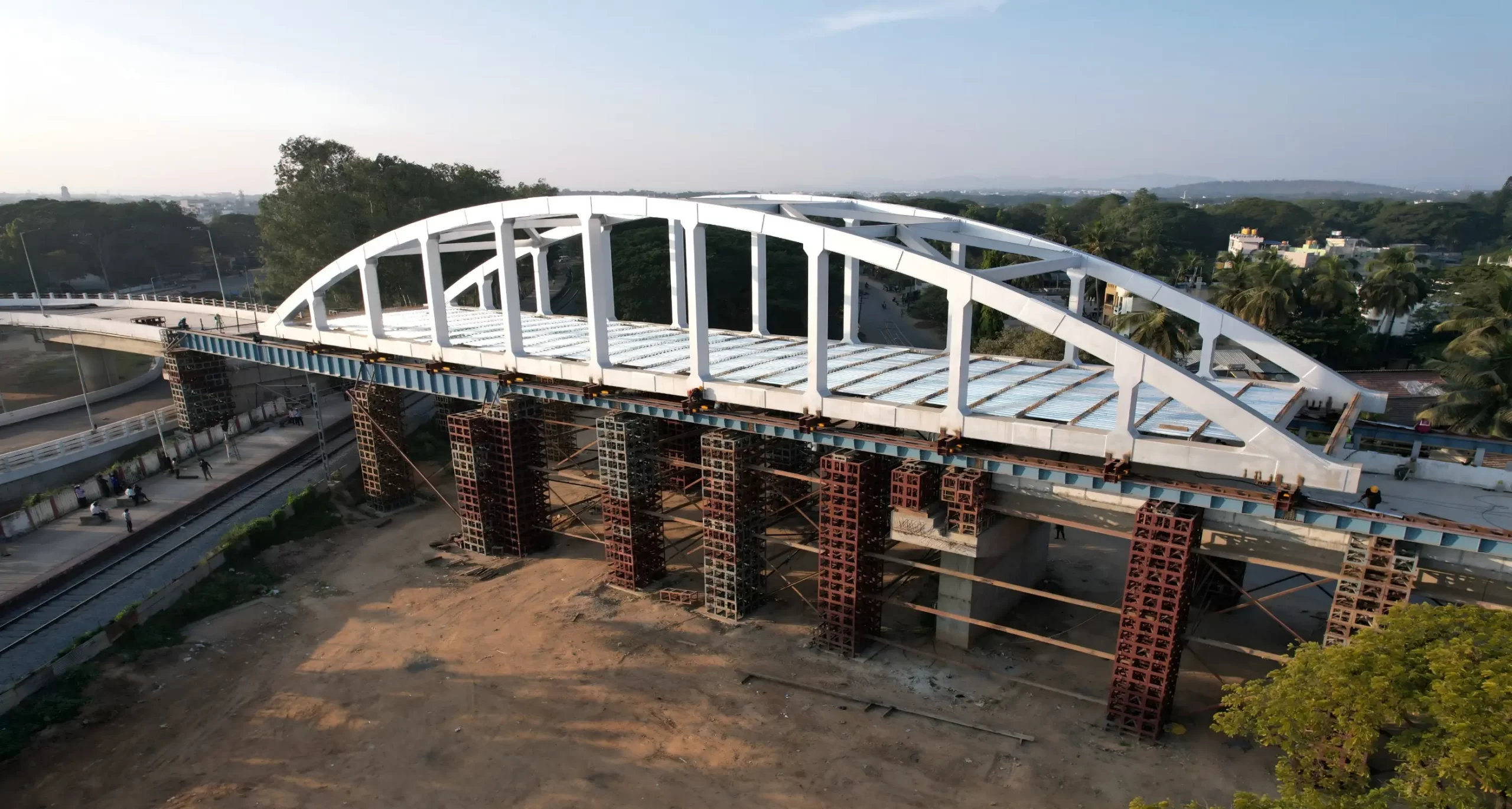
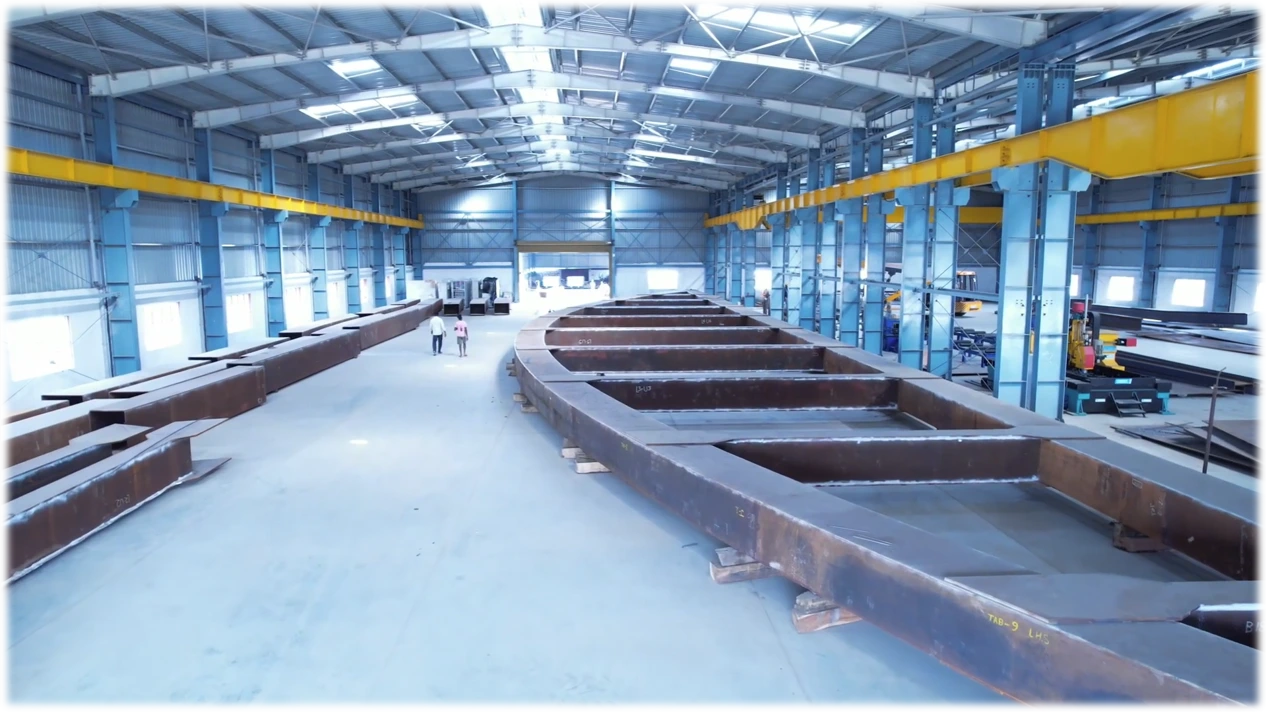

As India’s railway and highway networks expand, Limited Height Subways (LHS) play a crucial role in eliminating level crossings and ensuring uninterrupted traffic flow. Krishi Infratech has established itself as a trusted engineering partner in delivering technically demanding Subway and Underpass projects using advanced construction techniques tailored for diverse ground conditions and operational constraints.
Our expertise spans Cut & Cover, RH Girder, Box Pushing, and Air Pushing methods, ensuring minimal disruption to railway traffic, enhanced structural stability, and faster project delivery. Each project is engineered with a deep focus on safety, precision, and sustainability - aligning with MoRTH, RDSO, and Indian Railways specifications.
Cut & Cover Method
The Cut & Cover method is one of the most effective techniques for constructing subways where ground conditions permit open excavation. Krishi Infratech deploys precision-engineered retaining systems and formwork structures to execute this technique with utmost safety.
Key Features:
- Suitable for shallow subways and urban crossings.
- Enables accurate alignment and waterproofing of structural walls.
- Integrated dewatering and shoring systems for ground stability.
- Ideal for controlled environments with limited track movement.
Our approach emphasizes rapid execution and reduced surface disruption, ensuring safety for both railway and road users.
RH Girder Method
The RCC/RH Girder method is ideal where railway traffic cannot be interrupted. Krishi Infratech specializes in fabrication and installation of precast RCC girders, positioned under live railway tracks using synchronized hydraulic systems.
Advantages:
- No need for complete track closure.
- High-quality factory-cast girders ensure structural uniformity.
- Reduced project cycle and improved safety during insertion.
This method reflects our commitment to engineering innovation and operational efficiency in live rail environments.
Box Pushing Method
The Box Pushing method is a hallmark of Krishi Infratech’s engineering expertise — involving the construction of RCC box segments that are hydraulically pushed beneath railway embankments or roads without disturbing train movement.
Core Strengths:
- Zero disruption to railway traffic.
- Controlled jacking using high-capacity hydraulic systems.
- Real-time monitoring of soil displacement and pressure balance.
- Precision alignment with minimal settlement risk.
Krishi Infratech has successfully executed multiple LHS and RUB projects across challenging terrains using this method, establishing itself as a leader in non-intrusive subway construction.
Air Pushing Method
The Air Pushing technique is a specialized, innovative approach used when soil conditions demand pressure stabilization. Krishi Infratech employs this method to maintain positive air pressure inside the working chamber, preventing soil collapse and ensuring smooth box advancement.
Highlights:
- Ideal for sandy or water-bearing strata.
- Maintains consistent face stability during box advancement.
- Reduces risk of soil inflow and settlement.
- Environmentally optimized for sensitive zones.
This method exemplifies Krishi Infratech’s ability to adapt global tunnelling practices to Indian infrastructure needs while ensuring safety and reliability.
Why Krishi Infratech for Limited Height Subways
- Proven record in non-disruptive railway underpass construction.
- Expertise in all four major methods - Cut & Cover, RH Girder, Box Pushing, and Air Pushing.
- Integrated design, fabrication, and site execution capabilities.
- Compliance with RDSO, MoRTH, and IR codes.
- Commitment to EHS (Environment, Health, and Safety) and sustainability in all operations.
FAQs
Limited Height Subways are underpasses built below railway tracks or roads to allow vehicles or pedestrians to cross safely without disrupting rail traffic. They are designed with restricted height due to track and ground constraints.
In the Box Pushing method, pre-cast RCC boxes are pushed under live tracks using hydraulic jacks without excavation above. In contrast, Cut & Cover involves open excavation and covering the subway structure afterward — suitable for shallow depths.
The Box Pushing and RH Girder methods are preferred for live rail environments, as they allow construction without interrupting train operations and ensure high precision and safety.
Krishi Infratech uses controlled air pressure and monitoring systems to handle unstable soil and high groundwater conditions, ensuring face stability and preventing soil inflow during box advancement.
All works follow stringent EHS and RDSO standards, supported by digital monitoring, real-time stress analysis, and on-site supervision by certified engineers.
Absolutely. All fabrication and erection follow RDSO, MoRTH, IRC, and IS codes, ensuring durability and compliance for all government and public-sector projects.
Yes. Krishi Infratech offers complete design, fabrication, construction, and commissioning services for subways and underpasses, including soil testing and traffic management planning.
Absolutely. Every technique and structural component adheres to RDSO, MoRTH, and IRC codes, ensuring long-term durability and safety compliance.
Air Pushing ensures ground stability in challenging soil conditions, minimizes settlement, and allows continuous operation under high groundwater levels – making it ideal for complex geotechnical environments.